
Pharaoh's Hardened Heart: A story of choice and consequences.
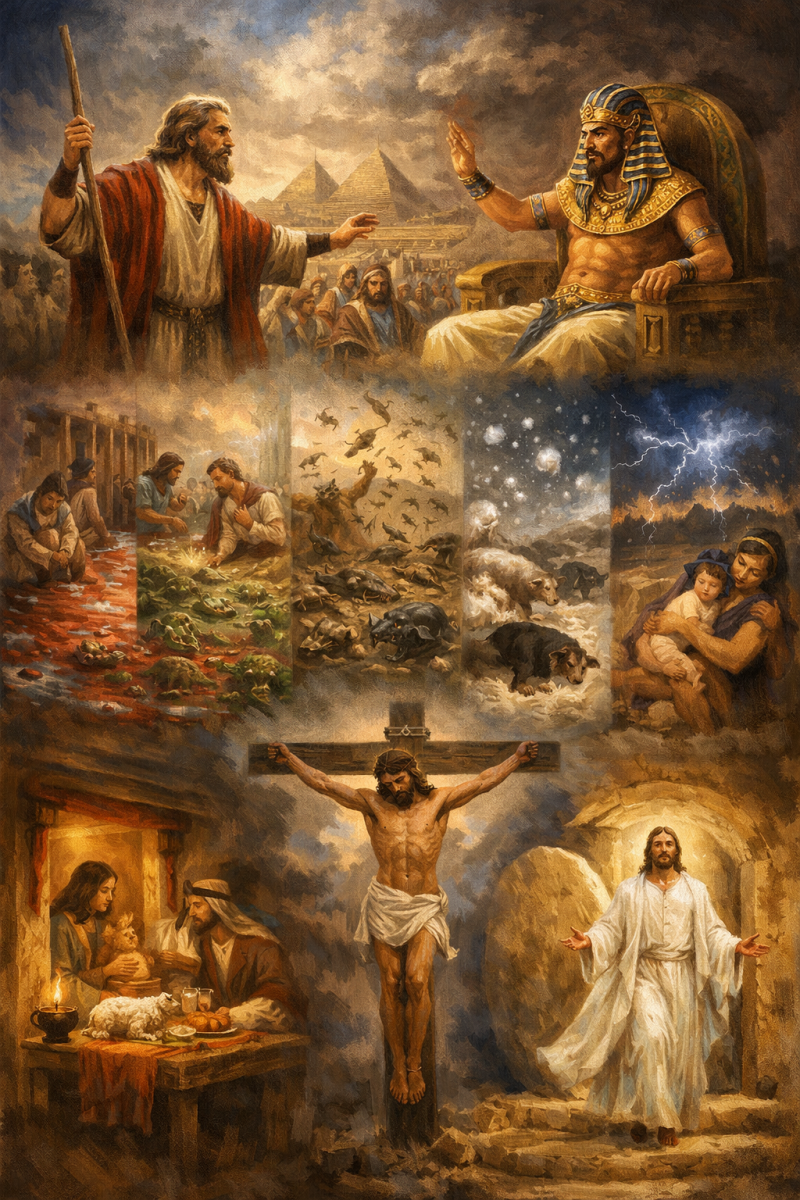
Exodus 7–13 recounts the epic confrontation between Moses and Pharaoh, the ten plagues of Egypt, and the institution of the Passover. For Latter-day Saints, these chapters are not just history but a powerful type and shadow of Jesus Christ's power to deliver us from the "Egypt" of sin and death.
-
The Power of God vs. the World: Moses and Aaron perform miracles to show God's authority, but Pharaoh’s magicians initially attempt to imitate them with "enchantments," illustrating the difference between priesthood power and worldly or deceptive power.
-
The Ten Plagues: The Lord sends increasingly severe plagues—water to blood, frogs, lice, flies, cattle death, boils, hail, locusts, and darkness—demonstrating His dominance over every Egyptian deity and Pharaoh himself.
-
Pharaoh’s Heart: While some translations suggest God "hardened" Pharaoh’s heart, the Joseph Smith Translation (JST) clarifies that Pharaoh hardened his own heart. God did not take away Pharaoh's agency; Pharaoh chose to resist even after seeing clear evidence of God's power.
-
The Passover: To escape the final plague (death of the firstborn), Israel is commanded to mark their doors with the blood of an unblemished lamb and eat a specific meal. This event marks their literal deliverance and the birth of a "new beginning" for the nation.
Key Gospel Lessons
- Deliverance requires Faith and Action: The Israelites were not saved by the blood of the lamb alone; they had to act in faith by applying it to their doorposts and preparing to leave in haste.
- God is Greater than the World: The plagues showed that "there is none like [the Lord] in all the earth" (Exodus 9:14). Every worldly "god" or idol we rely on will eventually fail, but God’s power to deliver is absolute.
- Miracles Don't Equal Conversion: Pharaoh saw incredible miracles but remained unchanged. Lasting conversion comes from a soft heart and personal agency, not just witnessing signs.www.churchofjesuschrist.org +6
Applying These Chapters Today
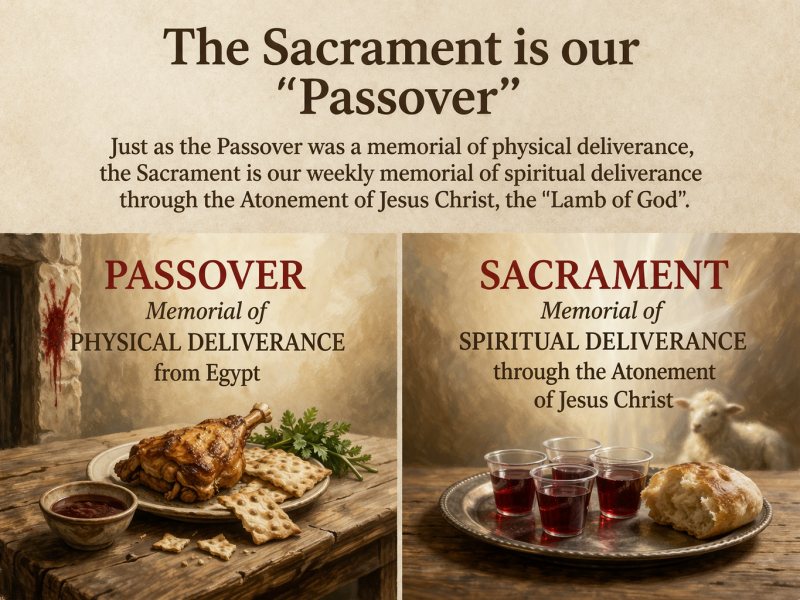
- The sacrament is our "passover." Just as the Passover was a memorial of physical deliverance, the sacrament is our weekly memorial of spiritual deliverance through the atonement of Jesus Christ, the "Lamb of God."
- Softening Our Own Hearts: We apply this today by examining where we might be "hard-hearted"—resisting prophetic counsel or holding onto "leaven" (worldly influences).
- Escaping Spiritual Bondage: Egypt symbolizes the world and sin. Like the Israelites, we are often in "bondage" to habits or spiritual death. These chapters remind us that through the "blood of the Lamb," we can find a way to escape any captivity.
Exodus 7‑13: A Living Portrait of the Savior’s Deliverance
When I read Exodus 7‑13, I don’t just see an ancient showdown between Moses and Pharaoh; I see a vivid, divine drama that points straight to Jesus Christ and His power to rescue us from the “Egypt” of sin and death. In these chapters God sends Moses and Aaron to display His priesthood authority through miracles—turning the Nile to blood, sending plagues of frogs, lice, flies, dead cattle, boils, hail, locusts, and finally darkness. Each plague is a striking “type” of Christ: the blood‑red river prefigures the blood of the Lamb, the darkness that covers Egypt hints at the spiritual blindness that Christ will lift, and the death of the firstborn foreshadows the Atonement that defeats death itself.
What especially moves me is the way Pharaoh’s heart is treated. The Joseph Smith Translation makes it clear that Pharaoh hardened himself—God did not strip him of agency. This reminds me that miracles alone never guarantee conversion; true change requires a softened heart and a willing response. The Israelites, too, had to act. They weren’t saved merely by the lamb’s blood; they had to smear it on their doorposts, eat it in haste, and be ready to leave Egypt at a moment’s notice. Their faith and obedience turned a physical deliverance into a covenant‑making event that still echoes in our Passover and, more intimately, in the weekly sacrament.
Teaching children the gospel, I love to point out that the Passover is more than a historical footnote—it’s a picture of the sacrament, our weekly “Passover” that commemorates the Atonement of the true Lamb of God. When we partake of the emblems with reverence, we remember that just as the blood saved Israel from death, the blood of Christ saves us from spiritual bondage.
Today, Egypt can be any pattern of sin, any “leaven” that keeps us hard‑hearted and resistant to prophetic counsel. By looking at these chapters, I invite myself and my family to ask: Where am I hardening my own heart? Where do I need to apply the “blood” of Christ—through sincere repentance, faithful service, and the renewing power of the sacrament? As we internalize the lessons of Exodus 7‑13, we discover that the same God who shattered the idols of Egypt stands ready to deliver us, today and forever, if we will choose to follow Him.
Add comment
Comments